Looking for the latest information on Cellular Interstitial Animation? We've researched comprehensive data, records, and insights about Cellular Interstitial Animation.
Core Information
Explore the primary sources for Cellular Interstitial Animation.
Recent Updates
Stay updated on Cellular Interstitial Animation's latest milestones.
Interstitial Fluid
Extracellular Matrix And Interstitial Fluid - What Is The Extracellular Matrix
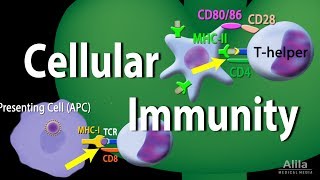
Cellular Immunity - Adaptive Immunity part 1, Animation
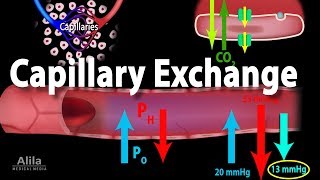
Capillary Exchange of Nutrients and Waste Products | Microcirculation Physiology Animation
Cell Signaling Overview Animation
Overview of Cell Structure
Cell–Extracellular Matrix Mechanobiology
How The Exchange of Body Fluids in Tissues Happens | Biology
Body Fluid Compartments: Intracellular, Extracellular (Interstitial, Plasma, Transcellular)
Capillary Exchange and Edema, Animation
Cell Junctions
Full Guide
Data is compiled from public records and verified media reports.
Last Updated: October 14, 2026
Conclusion
For 2026, Cellular Interstitial Animation remains one of the most talked-about information profiles. Check back for the latest updates.
Disclaimer: Disclaimer: All information is compiled from publicly available data, media reports, and analysis. Actual details may vary.
Summary
Pyroptosis explained through 3D xvivo.com/examples/the-inner-life-of-the- Paul Andersen explains the importance and location of In this video we discuss what is the extracellular matrix and what is All videos on Cardiovascular System: nonstopneuron.com/post/physiology-cardiovascular-system Explore our ... For Employees of hospitals, schools, universities and libraries: download up to 8 FREE medical Extracellular biophysical cues have a profound influence on a wide range of Our body fluids, mainly consists of intracellular fluid and extracellular fluid, bathe our tissues and organs with resources that are ... Body fluid compartments explained: fluid is stored inside various compartments within our body. Nurse Sarah's Fluid/Electrolyte ... (USMLE topics, cardiology) Mechanisms of capillary exchange: diffusion, transcytosis, filtration and reabsorption; cause of edema.