Looking for the latest information on Drawing Vector Diagrams? We've compiled comprehensive data, records, and insights about Drawing Vector Diagrams.
Main Features
Explore the main sources for Drawing Vector Diagrams.
Developments
Stay updated on Drawing Vector Diagrams's latest milestones.
Adding and Subtracting Vectors Made Simple
Grade 11 Physics Closed Vector Diagrams: Triangle of forces
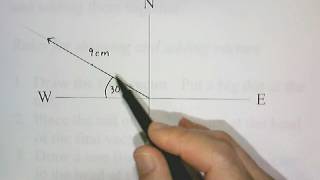
Drawing Scaled Vector Diagrams
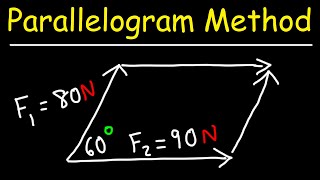
How To Use The Parallelogram Method To Find The Resultant Vector
How to Add Vectors, Tip-to-Tail Method (Clip) | Physics - Kinematics
4 Resultant force of two vectors at different angles
Representing Vectors: Head to Tail Diagrams Grade 10 Physics
1.3b Scaled Drawing Method for Vectors | AS Physical Quantities | Cambridge A Level Physics
Scale Vector Diagrams - GCSE Physics
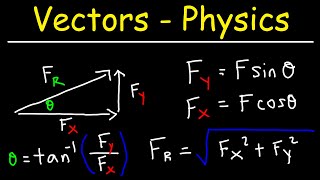
Vectors - Basic Introduction - Physics
How Do You Draw a Force Diagram
Expert Insights
Data is compiled from public records and verified media reports.
Last Updated: October 20, 2026
Future Outlook
For 2026, Drawing Vector Diagrams remains one of the most talked-about information profiles. Check back for the newest reports.
Disclaimer: Disclaimer: All information is compiled from publicly available data, media reports, and analysis. Actual details may vary.
Summary
our website cognito.org/ ⭐️ *** WHAT'S COVERED *** 1. Calculating resultant force using scale SaveMyExams This video covers everything you need to know about Here For Free Revision Questions: freesciencelessons.co.uk/plus In this video, we look at how to work out the ... Physical Science Grade 11 Forces in Equilibrium! It is important to know how to This video explains how to use the parallelogram method to find the resultant sum of two the Physics Lab website for lessons, study guides, practice problems and more! In this GCSE Physics video, we explain how to create a scale This physics video tutorial provides a basic introduction into