Looking for the latest information on Edsac Simulator Computerphile? We've compiled comprehensive data, records, and insights about Edsac Simulator Computerphile.
Core Information
Explore the key sources for Edsac Simulator Computerphile.
Latest News
Stay updated on Edsac Simulator Computerphile's newest achievements.
Edsac (Electronic Delay Storage Automatic Calculator in 1949) and OXO (Tic-Tac-Toe game in 1952)
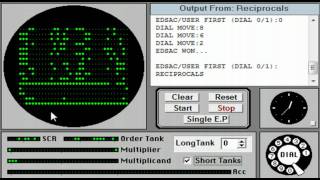
Edsac Sim Movie
EDSAC 1951
Re-discovery of EDSAC diagrams
How the EDSAC computer changed science in the 1940s and 50s
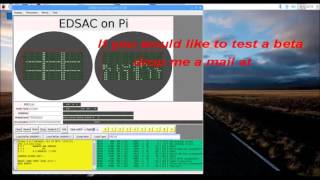
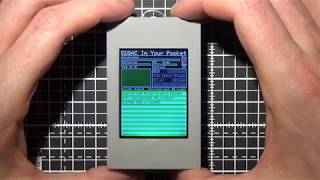
EDSAC In Your Pocket
Emulation - Computerphile
Recreating Dennis Ritchie's PhD Thesis - Computerphile
A Blue Plaque for EDSAC - the first computer built at Cambridge University.
Hello World (Assemblers, Considered Harmful!) - Computerphile
Expert Insights
Data is compiled from public records and verified media reports.
Last Updated: October 17, 2026
Future Outlook
For 2026, Edsac Simulator Computerphile remains one of the most talked-about information profiles. Check back for the latest updates.
Disclaimer: Disclaimer: All information is compiled from publicly available data, media reports, and analysis. Actual details may vary.
Summary
Play around with one of the first Von Neumann machines (well, in One of the first computers in the world, Film made in 1951, with a commentary added in 1976, showing the Scrapped to make space for its successor, The world's first stored-program computer to operate a regular computing service built in 1949. The only you can really play is ... Some of the earliest diagrams of a computer have been rediscovered more than sixty years after they were drawn and are giving ... The Electronic Delay Storage Automatic Calculator ( Explanation and demonstration of my " Emulation sounds difficult, begins to look simple and then ends up being difficult after all! Dr Steve Bagley explains. Professor Brailsford has been toiling away on a faithful recreation of Unix co-creator Dennis Ritchie's unsubmitted PhD thesis. We unveiled a blue plaque on Tuesday 23 June to commemorate the development in 1949 of Using Hello World to show how assemblers keep track of memory - but at the expense of two passes through the computer.