Looking for the latest information on Handling Missing Data Part 2? We've researched comprehensive data, records, and insights about Handling Missing Data Part 2.
Core Information
Explore the key sources for Handling Missing Data Part 2.
Developments
Stay updated on Handling Missing Data Part 2's latest milestones.
StatQuest: Decision Trees, Part 2 - Feature Selection and Missing Data
Dealing with Missing Data Part 2
Handling missing data | Numerical Data | Simple Imputer
Dealing With Missing Data - Multiple Imputation
Handling Missing Data in Pandas Part - 2 | #39 of 53: The Complete Pandas Course
Handling Missing Data Part 1
Dealing with Missing Values in Machine Learning: Easy Explanation for Data Science Interviews
Lecture 9: Multilevel Missing Data (part 1) and Missing Not at Random Processes (part 2)
3 Main Types of Missing Data | Do THIS Before Handling Missing Values!
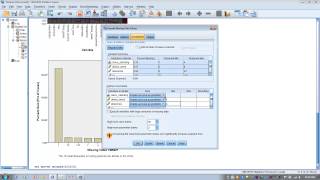
How to Use SPSS-Replacing Missing Data Using Multiple Imputation (Regression Method)
Expert Insights
Data is compiled from public records and verified media reports.
Last Updated: October 18, 2026
Conclusion
For 2026, Handling Missing Data Part 2 remains one of the most talked-about information profiles. Check back for the latest updates.
Disclaimer: Disclaimer: All information is compiled from publicly available data, media reports, and analysis. Actual details may vary.
Summary
Corsican Summer School on Modern Methods in Biostatistics and Epidemiology - July 2019 Edmund NJERU-NJAGI - Cancer ... NOTE: This StatQuest is the updated version of the original Random Forests This is just a short up to last week's StatQuest where we introduced decision trees. Here we show how decision trees deal ... This video covers best practices for Simple Imputer is a practical solution for filling missing numerical values in a dataset. This method replaces missing entries ... In this video we'll be looking at a much more powerful way to deal with Presented by Tor Neilands, PhD and Estie Hudes, PhD. Dr. Tor Neilands is a professor in the UCSF Division of Prevention ... In this video, I'm going to tackle a simple, common machine learning interview question: how to deal with This video covers lecture 09 from the