Looking for the latest information on Normal Probability Plots Part 2? We've gathered comprehensive data, records, and insights about Normal Probability Plots Part 2.
Key Details
Explore the key sources for Normal Probability Plots Part 2.
Developments
Stay updated on Normal Probability Plots Part 2's latest milestones.
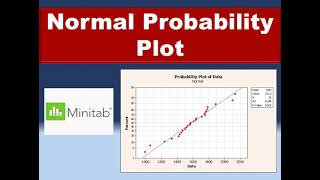
Hypothesis Testing (Part 2)-Normal probability plot (Minitab)
AP Statistics - Lesson 2.2 D Normal Probability Plots
TI Nspire Normal Distributions Part 2
MAT 152 7.3.7 Use normal probability plots to assess normality
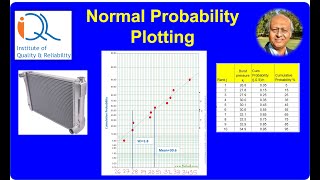
Normal Probability Plotting with Case Study
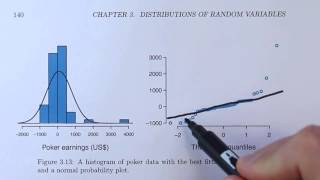
Normal Probability Plots Explained (OpenIntro textbook supplement)
Lecture12 (Data2Decision) Normal Probability Plots in Excel
Normal Probability Plot PhStat2
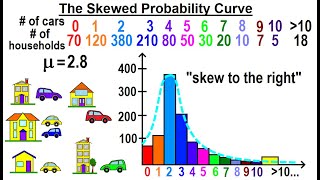
Statistics: Ch 6 The Normal Probability Distribution (2 of 28) The Skew Probability Curve
C2: Normal Probability Plots
Probability Plot | Application of Statistical Methods in Manufacturing | MATLAB | Minitab
Expert Insights
Data is compiled from public records and verified media reports.
Last Updated: October 19, 2026
Final Thoughts
For 2026, Normal Probability Plots Part 2 remains one of the most searched-for information profiles. Check back for the newest reports.
Disclaimer: Disclaimer: All information is compiled from publicly available data, media reports, and analysis. Actual details may vary.
Summary
Normal Probability Plots Part 2 Defining, constructing, and interpreting Organized by textbook: learncheme.com/ See also Calculate means, medians and standard deviations. Graph Using the TI84 calculator and StatCrunch. Dear friends, we are pleased to released our 88th technical video on a very important topic in Statistical Quality Control and Six ... Our accompanying textbooks on openintro.org/books, all of which are free to download. Hard copies are also priced to be ... Hello class in this tutorial I'm going to quickly show you how easy it is to make a Visit ilectureonline.com for more math and science lectures! To donate: ilectureonline.com/donate ... This video demonstrates the basics of creating and interpreting a In this video, we will be looking at the