Introduction to Python Tip 22 Possessive Quantifiers
Looking for the latest information on Python Tip 22 Possessive Quantifiers? We've gathered comprehensive data, records, and insights about Python Tip 22 Possessive Quantifiers.
Important Facts
Explore the main sources for Python Tip 22 Possessive Quantifiers.
History
Stay updated on Python Tip 22 Possessive Quantifiers's newest achievements.
Python Alternatives to Possessive Quantifiers: Solutions and Best Practices
Regular Expressions Tutorial with Python Examples - Regex Quantifiers
__eq__ & is vs == | Python Quick Tips
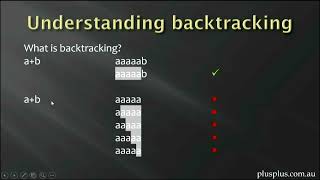
#12 Lazy and Greedy Quantifiers and BackTracking
Nesting “If Else” Can Seriously Damage Your Code Quality, Do THIS Instead In Python
Predicting re Module Regex Memory Consumption in Python
Regex Quantifiers: From Basics to Advanced Techniques | Python in Tamil
Understanding the Difference Between + and * Quantifiers in Python Regex
Full Guide
Data is compiled from public records and verified media reports.
Last Updated: October 15, 2026
Conclusion
For 2026, Python Tip 22 Possessive Quantifiers remains one of the most talked-about information profiles. Check back for the newest reports.
Disclaimer: Disclaimer: All information is compiled from publicly available data, media reports, and analysis. Actual details may vary.
Summary
Correction: at 27:20 it was stated that the default cache is 50. It actually defaults to 512 patterns. (Peter Lovett) This video provides an explanation of how regular expression In today's video we are going to be learning about 10 important In this video, we explore the world of If you liked the content, please consider checking out my Patreon! - patreon.com/CodingUnderPressure/membership ... Explained the difference between It's very easy to fall into this trap with Learn how to predict and optimize memory consumption when using