Looking for the latest information on What Scoped Values In Java 21? We've compiled comprehensive data, records, and insights about What Scoped Values In Java 21.
Important Facts
Explore the primary sources for What Scoped Values In Java 21.
Latest News
Stay updated on What Scoped Values In Java 21's latest milestones.
ThreadLocal vs Scoped Values in Java | Context Propagation Explained (Java 21+)
Java's Concurrency Journey Continues! Exploring Structured Concurrency and Scoped Values
All API Additions From Java 21 to 25 #RoadTo25
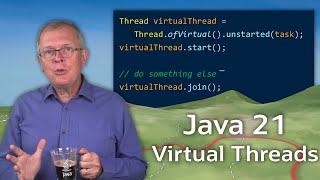
Java 21 new feature: Virtual Threads #RoadTo21
Java 21 Virtual Threads EXPLAINED in Tamil | 10X Faster Concurrency!
StructuredTaskScope And ScopedValue - Get The Most Out of Virtual Threads by Christian Woerz
Structured Concurrency Looms
Virtual Threads, Structured Concurrency & Scoped Values: Putting it All Together | Balkrishna Rawool
Virtual Threads, Structured Concurrency and Scoped Values: Putting it all together by Balkrishna R
StructuredTaskScope And ScopedValue - Get The Most Out of Virtual Threads by Christian Woerz
Java 21 - The Other Side - Inside Java Newscast #51
Deep Dive
Data is compiled from public records and verified media reports.
Last Updated: October 17, 2026
Final Thoughts
For 2026, What Scoped Values In Java 21 remains one of the most talked-about information profiles. Check back for the latest updates.
Disclaimer: Disclaimer: All information is compiled from publicly available data, media reports, and analysis. Actual details may vary.
Summary
ThreadLocal variables can help you share sensitive information among the different components of an application, without ... In this video, we compare ThreadLocal vs Learn about all API additions between Learn about Virtual Threads, how to use them and how they are working under the hood, a new feature brought to you by the JDK ... Virtual threads are a great tool which was added to the JDK in Structured Concurrency is the next major feature from Project Loom. Following the introduction of Virtual Threads in JDK Project Loom brings lightweight concurrency to OMG, how is there even more in JDK