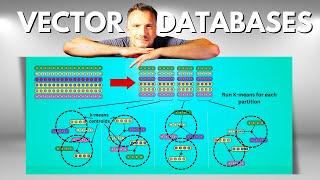
Looking for the latest information on Why Are Vector Databases So Fast? We've compiled comprehensive data, records, and insights about Why Are Vector Databases So Fast.
Main Features
Explore the main sources for Why Are Vector Databases So Fast.
History
Stay updated on Why Are Vector Databases So Fast's latest milestones.
How does a Vector Database work
How Do Vector Databases Search Millions of Vectors So Fast | HNSW, IVF & PQ Explained
Vector Databases Explained for System Design Interviews
Why RAG Solutions Fail with Complex Documents & Vector Databases
Vector Database Explained | What is Vector Database
What is a Vector Database
How Vector Databases Work: The Brain of AI
Vector Databases Explained: The Complete Guide for 2026
Why AI Needs a New Kind of Database (Vector Databases Explained)
Why are Vector Databases so Hot in Today's AI Landscape
Understanding How Vector Databases Work!
Expert Insights
Data is compiled from public records and verified media reports.
Last Updated: October 19, 2026
Conclusion
For 2026, Why Are Vector Databases So Fast remains one of the most talked-about information profiles. Check back for the newest reports.
Disclaimer: Disclaimer: All information is compiled from publicly available data, media reports, and analysis. Actual details may vary.
Summary
Ready to become a certified Qiskit Developer? Register now and use code IBMTechYT20 for 20% off of your exam ... Learn more about Retrieval Augmented Generation (RAG) here → ibm.biz/~xjkgmfItH Complex documents often lead AI ... AI startups such as Pinecone, Milvus, and Chromadb have raised millions of $ in the hot AI boom era. They all have a common ... Discover IBM watsonx.data → ibm.biz/explore_watsonx_data Learn more about We go beyond the surface to explain how If you want to truly understand how AI applications ChatGPT with memory, semantic search engines, and RAG systems ... Type "a dog running on the beach", and out of over a thousand photos, these come back. Not one of them has a tag or a caption: ... In this talk, we delve into the concepts and applications of Today, we dive into the subject of